Wildfire Threats to Cultural Heritage: Insights from the STORM Project
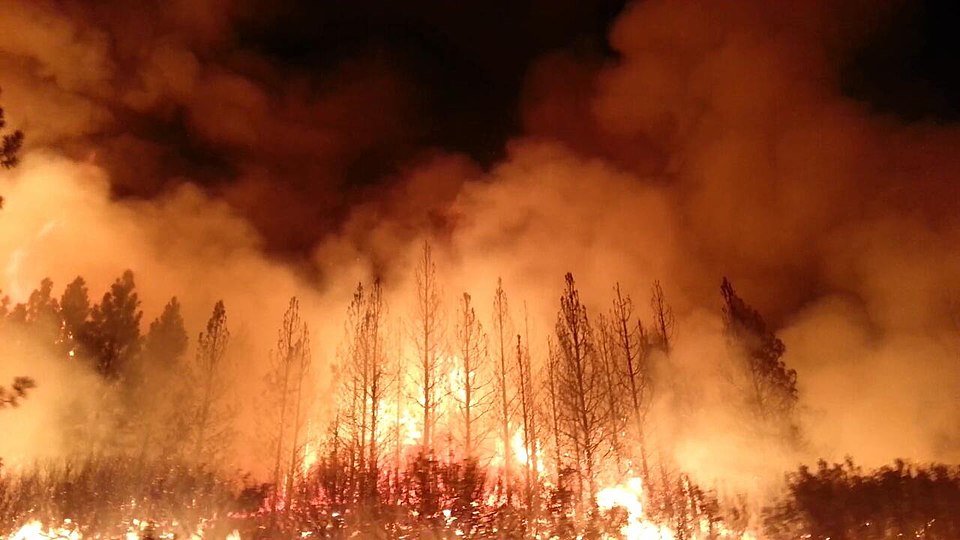
The 2013 Rim Fire in the Stanislaus National Forest near in California - By U.S. Department of Agriculture - Flickr: 20130817-FS-UNK-0004, Public Domain, https://commons.wikimedia.org/w/index.php?curid=27895421
Editor’s Note (February 2026): This article, originally published in September 2017, remains highly relevant as wildfire threats to cultural heritage have intensified with climate change. Recent catastrophic fires affecting Mediterranean heritage sites underscore the continued importance of this research.
Introduction
With climate change intensifying wildfire seasons globally, cultural heritage sites located in wildland-urban interface zones face increasingly critical vulnerability. When evaluating fire risks to cultural resources, the focus is typically on buildings and artifacts, with forest or vegetation fires considered in a relatively limited number of cases. Yet as recent events have demonstrated—from the 2018 Malibu fires threatening the Getty Villa to Mediterranean wildfires endangering archaeological sites—this gap in risk assessment requires urgent attention.
The technical literature addressing the protection of cultural heritage from fire risks often overlooks this specific aspect. One of the few comprehensive documents that delves into this issue is the Wildland Fire Report on Ecosystem Effects of Fire on Cultural Resources and Archeology (USDA Forest Service, 2005), published by the United States Department of Agriculture. To address the risks associated with vegetation fires, the report categorizes fire impacts into three main areas:
- Risk to artifacts caused by vegetation fires – Direct thermal and smoke damage to movable cultural objects, including archeological finds, outdoor sculptures, and historic materials exposed to wildfire
- Risk to intangible Cultural Resources caused by vegetation fires – Loss of traditional landscapes, sacred sites, cultural plants, and heritage-associated ecosystems that define community identity
- Risk to Cultural Resources caused by fire suppression and rehabilitation activities – Collateral damage from firefighting operations, including water damage, vehicle impact, chemical retardants, and post-fire soil stabilization measures
The STORM Project Context
A comprehensive overview of the risks to cultural heritage associated with vegetation fires (broadly based on the USDA document) was presented during the 2017 STORM Summer School, held September 11-13 in Rome, Italy.
The EU-funded project STORM (Safeguarding Cultural Heritage through Technical and Organisational Resources Management), operating under the Horizon 2020 framework, focuses on protecting cultural heritage from the effects of climate change and natural disasters. The initiative aims to develop methods, tools, services, and policies to safeguard this irreplaceable heritage against multiple environmental threats.
STORM Project: Key Objectives and Methodology
Project Objective
The STORM project aimed to strengthen the capacity of heritage operators and site managers to protect cultural heritage from climate change-related risks. This objective is particularly critical as many European historic sites are increasingly threatened by phenomena such as:
- Severe storms and extreme weather events
- Coastal and riverine flooding
- Erosion and land subsidence
- Rising humidity and moisture-related deterioration
- Seismic activity
- Forest and vegetation fires
- Biological colonization (vegetation growth causing structural damage)
Methodology and Study Sites
The project employed five study sites across Europe to monitor and assess in real-time the impact of natural forces on cultural heritage:
- Italy – Archaeological and historic sites vulnerable to seismic activity and vegetation encroachment
- Portugal – Heritage sites in wildfire-prone regions
- Turkey – Sites facing multiple climate-related threats
- Greece – Coastal heritage threatened by erosion and extreme weather
- United Kingdom – Historic structures affected by increased precipitation and humidity
The project utilized a multidisciplinary approach, involving experts from various fields:
- Museum curators and conservators
- Architects and structural engineers
- Archaeologists and heritage scientists
- Fire protection engineers
- Risk management and emergency response specialists
- Climate scientists and environmental monitors
Monitoring Technologies and Tools
STORM developed and deployed multiple technological solutions to measure the impact of different risk factors:
Environmental Sensors
- Vibration monitors to detect structural stress from traffic, weather events, or seismic activity
- Sea level and coastal erosion sensors
- Humidity and moisture monitoring systems
- Biological invasion detection (plants, fungi, and other organisms threatening structures)
Fiber Optic Systems
- Advanced fiber optic cables to measure minute vibrations caused by traffic, wind loading, or weather events
- Real-time structural health monitoring
Citizen Science Applications
- Smartphone applications enabling tourists and visitors to contribute to monitoring efforts
- Photo documentation and crowdsourced condition reporting
- Community engagement in heritage preservation
Early Warning Systems
- Integration of data from multiple sources into real-time alert platforms
- Automated notifications to site managers about emerging threats
- Decision support tools for protective interventions
- Predictive analytics for risk assessment
Wildfire Risk Assessment Framework
The STORM project specifically addressed vegetation fire risks to cultural heritage, drawing on the USDA report’s comprehensive framework. This aspect remains critically overlooked in technical literature on heritage fire protection.
Understanding the Three-Category Risk Model
Category 1: Direct Fire Damage to Artifacts
Vegetation fires can cause irreversible damage to cultural materials through:
- Thermal shock and spalling of stone structures
- Combustion of wooden architectural elements
- Smoke and soot deposition on frescoes, murals, and painted surfaces
- Melting or distortion of metal artifacts and fixtures
- Heat-induced chemical changes in archaeological materials
Category 2: Loss of Intangible Cultural Resources
Beyond physical structures, wildfires threaten:
- Traditional cultural landscapes and viewsheds
- Sacred groves and ceremonially significant vegetation
- Endemic plant species used in traditional practices
- Archaeological context and stratification
- Heritage-associated biodiversity and ecosystems
Category 3: Suppression-Related Damage
Well-intentioned firefighting activities can cause secondary impacts:
- Water damage from aerial drops or ground suppression
- Chemical contamination from fire retardants
- Soil compaction and erosion from heavy equipment
- Disturbance of archaeological layers during firebreak creation
- Inadvertent destruction during emergency access operations
Why This Research Matters
The STORM project addresses a critical gap in cultural heritage protection. Many important European heritage sites face escalating risks, yet comprehensive monitoring systems that provide clear situational awareness remain scarce. The project seeks to fill this gap by:
- Providing evidence-based risk assessment methodologies
- Enabling real-time monitoring and early intervention
- Supporting informed decision-making by heritage managers
- Developing transferable tools and protocols for heritage protection
- Integrating wildfire risk into broader heritage conservation planning
Contemporary Relevance (2026 Update)
Since the 2017 STORM Summer School presentation, the urgency of wildfire protection for cultural heritage has only intensified:
- Increased fire frequency and intensity due to climate change
- Mediterranean fire seasons affecting archaeological sites in Greece, Italy, and Spain
- California wildfires threatening missions, historic parks, and Indigenous cultural sites
- Australian bushfires impacting Aboriginal heritage landscapes
- Growing recognition of vegetation fire as a primary heritage threat, not a secondary concern
The STORM project’s integrated approach—combining monitoring technology, early warning systems, and multidisciplinary expertise—provides a model for addressing these escalating challenges.
Project Resources and Further Information
STORM Project is an EU Horizon 2020 initiative financed to enhance stakeholder capacity in protecting cultural heritage against climate change effects. The Emergency Management of Cultural Heritage course associated with STORM addressed multiple protection challenges facing heritage sites.
Reference:
U.S. Department of Agriculture, Forest Service. (2005). Wildland Fire in Ecosystems: Effects of Fire on Cultural Resources and Archaeology. General Technical Report RMRS-GTR-42, Volume 3. Rocky Mountain Research Station. Available online
Related Topics on Fire Risk Heritage
- Natural Heritage on Fire: Lessons for Built Heritage Professionals
- First Aid to Cultural Heritage in the STORM Summer School
- An Insight on Water Mist and Cultural Heritage Fire Protection
Metadata Suggestions:
- Meta Description: “Exploring wildfire risks to cultural heritage through the EU STORM Project: vegetation fire impacts, monitoring technologies, and protection strategies for historic sites.”
- Keywords: wildfire heritage protection, vegetation fire cultural resources, STORM project, wildland fire archaeology, heritage fire risk assessment, climate change heritage threats
- Categories: Documents and Research, Insights, Emergency Operations
- Featured Image Suggestion: Add an image showing a heritage site in a fire-prone landscape, or an infographic of the three-category risk model