Suspicious Fire Destroys Abandoned Church in Scotland
The overnight fire that on December 7, 2025 engulfed the 182-year-old Pollokshaws Parish Church on Shawbridge Street serves as a recurring pattern of abandoned building fires, providing valuable insights for professionals involved in fire safety assessments and prevention measures in historic and disused religious structures. Although the cause of the fire remains officially undetermined and is not currently being considered suspicious, this incident offers valuable data for professionals working on fire safety in such environments.
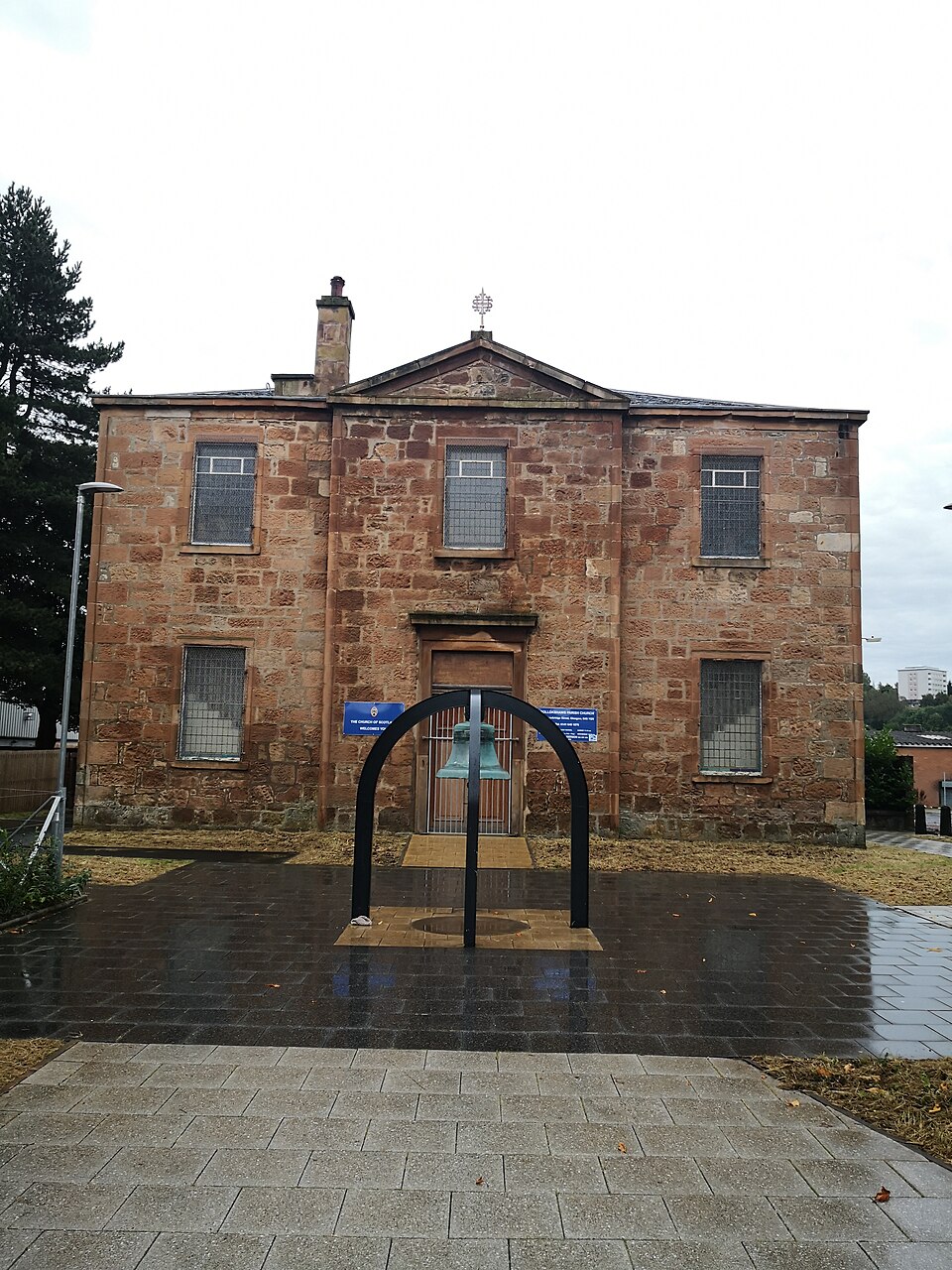
The building: age, status and fabric
Pollokshaws Parish Church was a 19th‑century B‑listed church (a protected historic building of regional or more‑than‑local importance, and a major example of a particular period, style, or building type, even if it has been altered), dating from around 1843 and widely reported as approximately 182 years old at the time of the fire. The structure was characterised as a Georgian‑villa–style church building, a typology that typically combines substantial masonry walls with significant internal timber elements in the roof and floors, resulting in a high combustible load once fire penetrates the roof space.
Importantly for risk context, the building was described by the Scottish Fire and Rescue Service as “vacant” or “derelict,” which implies absent routine management, likely degraded fabric, possible unauthorised access, and unknown internal alterations or damage – all factors that can increase vulnerability to rapid fire development and hamper firefighting.
Sequence of the incident and damage
Emergency services were called at about 02:44–02:45 on Sunday, when flames were seen coming from the church in the early hours. The Scottish Fire and Rescue Service mobilised up to six fire appliances and at least one aerial platform; firefighting was conducted from outside due to early concerns about structural stability as the blaze took hold
The fire rapidly escalated, destroying much of the roof and leading to partial structural collapse, leaving the building effectively in ruins by the time the fire was brought under control on Sunday afternoon. Nearby residents were evacuated as a precaution, Shawbridge Street was closed, and there were no reported injuries – an important outcome in a dense urban context with a history of serious fires and collapses in older buildings on Glasgow’s south side.
What is known – and not known – about the cause
As of the latest reports, Police Scotland and the Scottish Fire and Rescue Service have stated that the fire is not being treated as suspicious, but they have not released a definitive cause. That means key questions remain open: ignition source, point of origin (e.g. roof space, internal volume, ancillary space), and the role of any residual utilities or external factors have not been specified in publicly available information.
For historic‑building safety professionals, the crucial point is to avoid assuming specific technical causes without evidence. Inferences are possible at a generic level – for example, derelict historic churches are commonly vulnerable to: residual or unauthorised electr