Fire Resilience for Heritage in a Changing Climate: Priorities for Site Managers
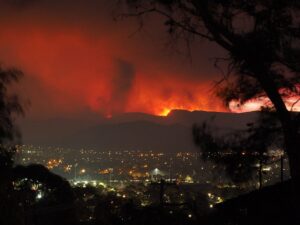
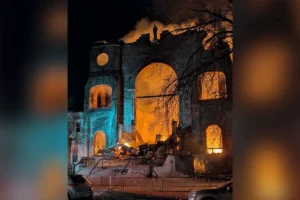
International bodies such as UNESCO warn that climate-driven factors including heatwaves, droughts and extended fire seasons are intensifying fires at both cultural and natural heritage sites.
Consequently, for heritage sites often situated in fire-prone landscapes with combustible materials such as wood, thatch or historical fabrics urgent action is required.
Traditional guidance emphasises internal risks such as electrical faults but managers now face compound threats including encroaching wildfires ember storms power grid failures and smoke damage.
- Drier vegetation and intense wildfires: Prolonged droughts transform surrounding landscapes into tinderboxes. Embers can travel kilometres igniting roofs or thatched structures as seen in the 2018 Athens wildfires that threatened the Acropolis or the 2023 Canadian fires that blanketed European historic towns in toxic smoke.
- Infrastructure failures as ignition sources: Overloaded grids during heatwaves spark external fires while ageing power lines near sites (common in historic areas) fail under storm stress.
- Visitor pressure in high-risk seasons: Summer events and tourism peak when fire danger is highest overloading open-air sites such as Roman forums or medieval city centres with crowds tents and barbecues exacerbating ignition risks.
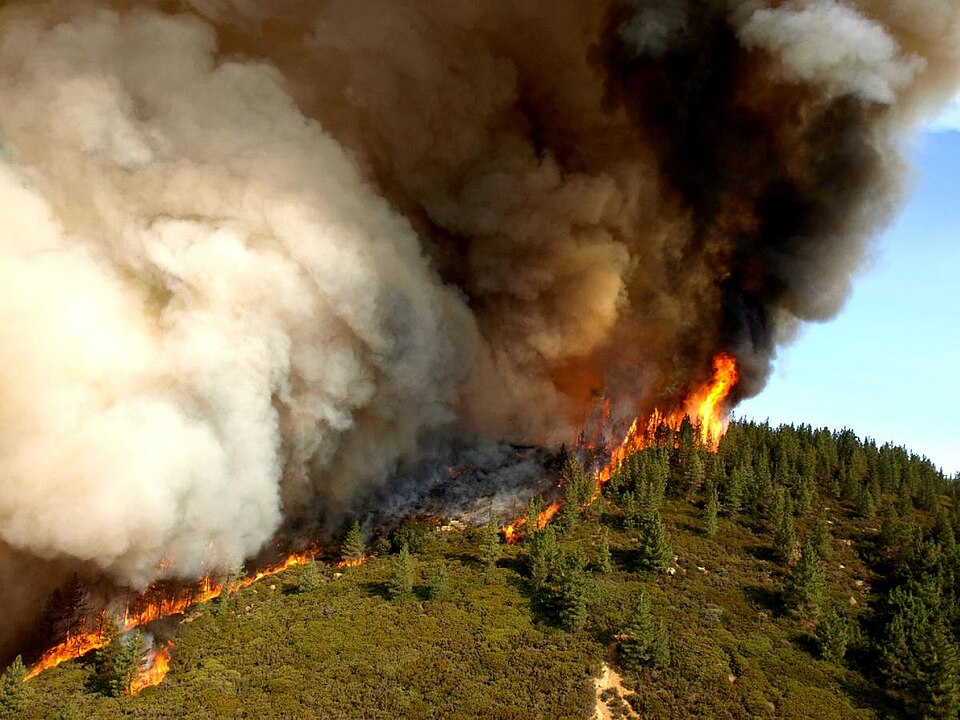
These drivers demand a landscape-scale view, not just building interiors. Site managers require clear priorities and practical solutions to protect irreplaceable assets. Key priorities and action steps are:
1. Prevent Ignition: Reduce Fuel Loads
Actions: Conduct quarterly vegetation management at least 30 metres from structures. Remove dead plants, dry underbrush and prune trees to minimise ladder fuels.
- Tool: Use the [Heritage Site Fire Risk Checklist](linktodownload) to map high-risk zones.
- Cost Tip: Partner with local fire brigades for shared resources (e.g. chipper rental).
2. Strengthen Defences: Upgrade Passive Measures
Action: Replace flammable materials with fire-retardant alternatives where possible:
- Thatch roofs: Fireproofed thatch treatments or metal mesh underlays.
- Wooden doors/cladding: Intumescent paints or Class Arated materials.
Quick Win: Install spark arrestors on chimneys and vents to prevent embers from entering buildings.
3. Prepare for Response: Train & Equip Teams
Actions:
- Develop a site-specific fire plan with evacuation routes and artefact salvage protocols.
- Train staff in water containment (e.g. deploying sandbags near water features).
- Partner with local emergency services for annual drills.
Resource: [ICOMOS Emergency Response Template](linktotemplate)
4. Leverage Data: Monitor Climate Threats
Action: Subscribe to regional fire weather alerts (e.g., via [National Weather Service](link)). Use satellite data tools such as [NASA FIRMS](link) for real-time hotspot tracking.
Pro Tip: Install solar-powered cameras for remote monitoring of high-risk areas during dry seasons.
Climate-Specific Adjustments
| Risk Scenario | Manager Action |
| Prolonged Drought | Increase water tank capacity; prioritise irrigation for heritage trees |
| Higher Winds | Secure loose artefacts (e.g., garden ornaments); anchor temporary structures |
| Extreme Heatwaves | Shift maintenance work to cooler hours; provide shaded rest areas for staff |
Cost-Effective Solutions
Low-Cost/High-Impact: Create gravel/mineral mulch beds around buildings (reduces fire spread). Install gutter guards to prevent ember accumulation.
Medium Investment: Add wildfire-resistant shutters for windows. Establish water refill stations for firefighting equipment.
Next Steps for Managers
- Assess: Use the [Heritage Site Vulnerability Matrix](link) to score your site’s risks.
- Plan: Integrate fire resilience into your disaster management budget (target: 5–10% of total heritage fund).
- Advocate: Partner with insurers for grants on retrofits; many offer discounts for proactive measures.
Other resources on climate change&cultural heritage