600.000 Comics Artefacts destroyed in a Fire
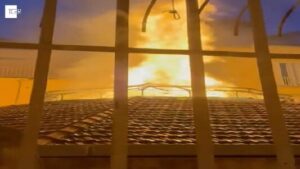
On October 1, 2025, a devastating fire broke out at the Amar Chitra Katha (ACK) warehouse in Bhiwandi, a suburb of Mumbai, India. Over four days, flames consumed approximately 600,000 comic artefacts, including rare original artworks and collectible editions, marking one of the most significant losses to modern Indian cultural publishing.
Preliminary investigations indicate that an electrical short circuit likely sparked the fire. In a facility storing highly combustible materials—paper, ink, plastics, and packaging—the blaze spread rapidly and proved exceptionally difficult to suppress.
The prolonged duration of the fire highlighted critical challenges in warehouse fire response:
- Combustible content load
- Potential deficiencies in internal fire protection systems
- Delayed detection or suppression mechanisms
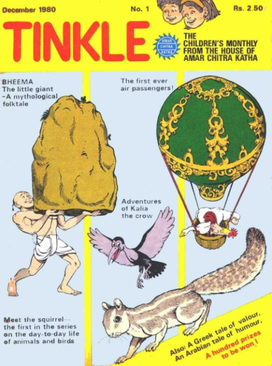
Among the losses were over 200 original hand-drawn film positives from the 1960s and 1970s—transparent line-art illustrations that formed the foundation of ACK’s iconic visual style. These irreplaceable works represented a vital part of India’s illustrated cultural heritage.
While many of these artworks had been digitally archived prior to the incident, their physical destruction is irreversible. The loss eliminates any possibility of future exhibitions or authentic reproductions using original media. For generations raised on Amar Chitra Katha and its sister publication Tinkle, this event carries profound emotional weight.
Also destroyed were:
- Back issues spanning decades
- Limited edition box sets
- Merchandise inventories
- Archival documents related to early production
This tragedy echoes a similar 1994 fire at Mumbai’s India Book House, which damaged unreleased ACK artwork and reference materials. That earlier incident prompted greater digitization efforts—but not enough to fully mitigate risk in storage environments.
Today, the Amar Chitra Katha team is rebuilding through digital expansion and renewed outreach. Yet from a fire safety and heritage preservation standpoint, this event underscores some urgent Key lessons.
Key fire safety lessons:
- Electrical System Integrity: Regular inspection and upgraded circuit protection are essential in archival and storage facilities.
- Fire Detection & Suppression: Warehouse environments with high paper content require advanced, automated systems (e.g., sprinklers, heat/smoke detectors) tailored to slow-burning or smoldering fires.
- Redundant Archival Practices: Physical preservation must be paired with robust digital backups stored offsite or in cloud-based secure repositories.
- Firefighter Training: Specialized protocols for prolonged warehouse fires should be developed and practiced regularly, given the unique behavior of such blazes.
Conclusion
While cultural institutions increasingly rely on digital platforms, physical artefacts remain central to authenticity, education, and emotional connection. The destruction of 600,000 comics and original artworks is not just a commercial loss—it’s a cultural tragedy that highlights the vulnerability of heritage materials to preventable fire risks.
For Fireriskheritage, this incident reinforces our mission: to protect cultural memory through proactive fire safety measures, ensuring that stories passed down for generations are preserved—not lost to avoidable disasters.