Cultural and Historic Heritage Losses in the World: 2026 List
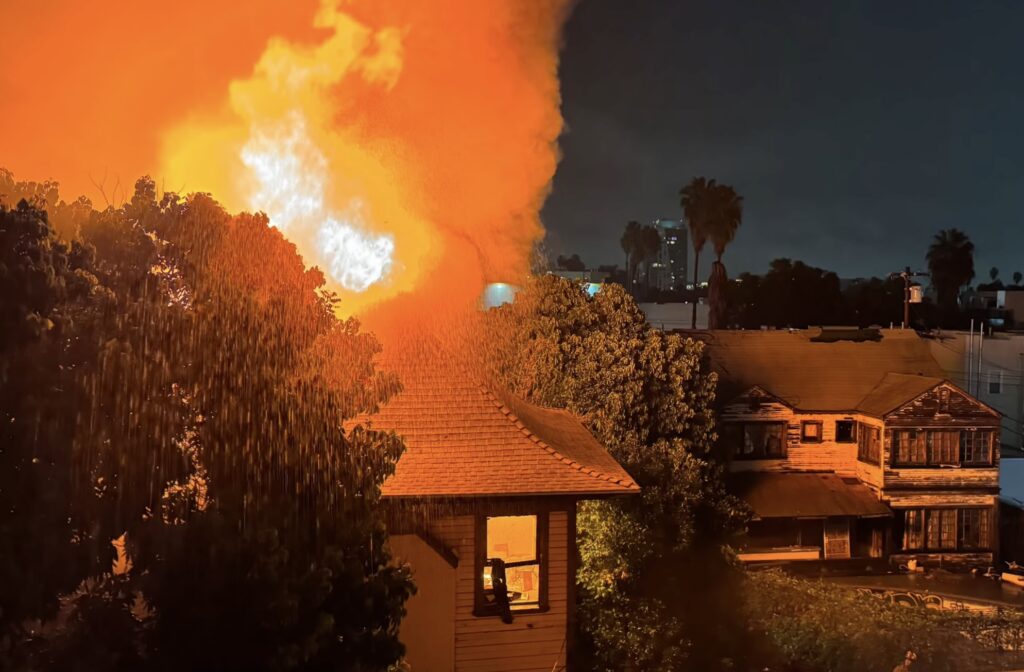
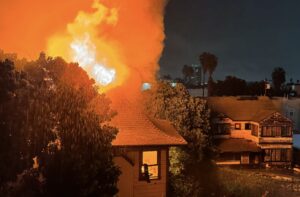
The 04 January 2026 fire at the Hollywood Center Motel in Los Angeles. Screenshot via LAFD/YouTube (https://www.youtube.com/watch?v=m5x41G9tz8Y)
FireRiskHeritage.net acknowledges that this list may not be fully representative of all fires affecting historic and cultural buildings worldwide.
Media coverage is uneven due to varying levels of attention on high-profile cases in some areas and underreporting in others. Furthermore, language barriers are a significant consideration. We aggregate available sources but forensic data from local authorities is always required.
To help make this list more complete, please email info@fireriskheritage.net with essential information about the damaged property and the event that occurred so that it can be added.
January 2026
- 01 Jan | Amsterdam, Netherlands | Vondelkerk (former church, 1880)
The New Year’s Eve fireworks are the likely cause. The roof and gable collapsed and the steeple partially fell, but the main masonry shell was structurally sound after the fire. Lessons include the dangers of festive overload and pyrotechnics and the need for ember screens. - 04 Jan | Hollywood, CA, USA | 121-year-old Spanish Colonial motel
Following a fire in October, the incident is suspected to be arson. The structure sustained total loss and a rapid collapse of the masonry facade due to thermal shock. This highlights the dangers of abandoned buildings and urban decay.
February 2026
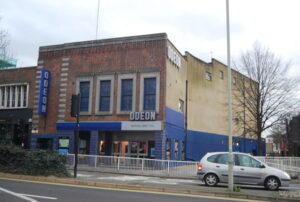
- 14 Feb | Canterbury, UK | Former Odeon Cinema (Art Deco theater, 1933)
Two 14-year-olds were arrested in connection with an arson-suspected incident in a derelict roof void. The incident caused significant roof and interior damage and prompted a 24-hour operation involving 15 fire engines and 60 firefighters. A nearby evacuation was also required. The incident highlights the importance of vacant building patrols and boarding procedures. - 17 Feb | Naples, Italy | Teatro Sannazaro (19thC theater)
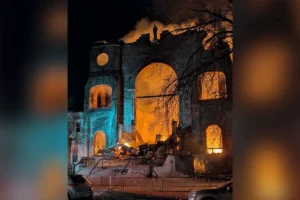
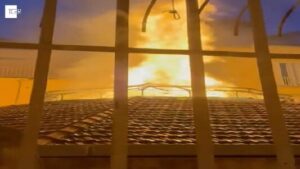
A fire caused a cupola to collapse onto the stalls and orchestra pit resulting in severe internal charring. This incident highlights the risks of old theatre fire protection, stage combustibles and the importance of maintaining a proximity exposure of less than three metres. - 23 Feb | Montreal, Canada | Former Saint-Paul Church (1910 worship site)
The Montreal Fire Department and police are examining the remains to determine whether the fire was accidental or intentional. The total roof and steeple loss was subsequently spread to the rectory and the seniors’ home (148 evacuations). This demonstrates that adaptive reuse barriers can be overcome. Furthermore, the building lacked sufficient volume sprinklers.