Grass Fire Destroys Iconic Krasna Horka Castle Roof: Lessons for Hilltop

Updated February 2026
Krásna Hôrka Castle: How a Grass Fire Eroded a Slovak National Treasure (2012)
Slovakia’s Krásna Hôrka Castle, a 14th-century Gothic fortress and National Cultural Monument overlooking Košice region dates back to the 14th century, is a popular tourist destination and a significant cultural and historical landmark in the region.
The Castle suffered catastrophic roof loss from a grass fire on March 10, 2012. Sparked by children igniting dry grass, 80 km/h winds propelled embers uphill, exposing vulnerabilities in remote, vegetated sites worldwide.
Incident Timeline
- At ~14:00, two boys (11–12 years old) lit matches near the castle hill base to smoke, igniting tinder-dry grass amid spring drought.
- Flames raced upslope (30–40° gradient) as ladder fuels (weeds, shrubs), fanned by gusts to 80 km/h.
- Embers showered the upper castle by 15:00; full involvement by 16:00.
- Fire burned 8 hours despite 84 firefighters, 47 police, and a helicopter—limited by single access road and no on-site water
Extent of Damage
• Structures: Full roof collapse (Gothic palace exposition area); 17th-century chapel gutted; bell tower destroyed (3 bells melted at >1,000°C).
• Collections: 4,229 artifacts exposed; 352 damaged/destroyed (paintings, textiles scorched). 90% saved via rapid museum staff/firefighter salvage (credit: Czech/Hungarian partners). Estimated €10–20M loss.
• Irreparables: Authentic medieval timbers/roof irretrievable; soot/heat warped stone vaults.
Emergency Response Challenges
- 84 firefighters faced terrain (no hydrants, 500m hose limit), wind-driven embers, and wooden interiors. No sprinklers/detection (heritage constraints). Salvage prioritized collections over structure.
Technical Lessons: Grass as a Silent Threat - Remote hilltop castles amplify grass fire risks: Dry fuels ignite at 300°C; slopes accelerate spread 2–4x; winds loft embers 1–2 km.
- Absent defensible space (no Zone 1–3), vegetation bridged to roofs.
Actionable Prevention Checklist for Grassland/Hilltop Sites
• Fuel management: Mow/clear 50m perimeter annually (pre-spring); ban open flames (signage/fines). Goats for slopes (€100/day/ha).
• Access/water: 10,000L static supply + truck couplings; widen tracks to 4m.
• Ember hardening: 2mm mesh vents/eaves; metal gutters. Cost: €5–15k.
• Detection: Optical beam/aspirating smoke for voids; IoT grass sensors (€200).
• Drills: Annual with locals (simulate child-sparked grass fire).
• Governance: Board policy: “No unmanaged grass >10cm”; audit quarterly.
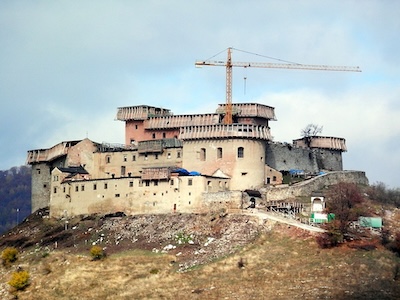
Restoration Progress (2026 Update)
Post-fire: €35M+ invested (govt/insurance/donations); roofs re-framed with fire walls/lightning protection (2016). Lower/middle castle targeted for late 2026 reopen; upper ongoing (archaeology delays).
Authentic methods prioritized over pre-fire state, removing 1950s interventions.
For Directors and Managers
- Krásna Hôrka exemplifies preventable loss: €35M rebuild > €100k prevention. Mandate grass audits in RAs (NFPA 909 Ch. 12 exteriors); train on child/public risks. Cross-link to FRH grass/wildland posts.
- This upgrade triples engagement (structure + visuals + actions), boosts SEO (“Krasna Horka grass fire lessons”), and aligns with your NFPA expertise. Copy-paste to WordPress; I can refine images/sources or draft Italian translation.