EFDRR 2018 Rome: Sendai Framework’s Cultural Heritage Legacy – 2026 Review
Resilience is governance, not reaction.
UNDRR logo © United Nations Office for Disaster Risk Reduction. Used for informational purposes
Updated February 2026
The European Forum for Disaster Risk Reduction (EFDRR), Europe’s regional arm of the UNDRR (formerly UNISDR), convened in Rome on November 21–23, 2018, under the 2015–2030 Sendai Framework for Disaster Risk Reduction. This gathering—aligned with the European Roadmap for Sendai implementation—marked a pivotal shift from reactive disaster management to proactive risk governance, with cultural heritage as a core focus amid the 2018 European Year of Cultural Heritage.
Eight years on, as Sendai enters its final phase (with a global stocktake at the 2023 Global Platform and EU reviews in 2025), the forum’s “Reducing Risk to Cultural Heritage” sessions remain prescient. This has been evidenced by the low number of post-2025 fire losses in several nations.
Sendai Framework: From Disasters to Risks
Adopted at the 2015 Third UN World Conference on Disaster Risk Reduction in Sendai, Japan (UNGA Resolution 69/283), the Sendai Framework for Disaster Risk Reduction 2015-2030 represents a paradigm shift in global disaster management. Unlike its predecessor, the Hyogo Framework for Action (2005-2015), which focused primarily on disaster response, Sendai emphasizes risk reduction before disasters occur.
The Seven Sendai Targets
- Substantially reduce global disaster mortality
- Substantially reduce the number of affected people globally
- Reduce direct disaster economic loss in relation to global GDP
- Substantially reduce disaster damage to critical infrastructure and disruption of basic services
- Substantially increase the number of countries with national and local DRR strategies
- Substantially enhance international cooperation to developing countries
- Substantially increase the availability of and access to multi-hazard early warning systems
The Four Priority Areas for Action
Priority 1: Understanding Disaster Risk
For cultural heritage, this demands:
- Site-specific hazard mapping (fire, flood, earthquake, landslide)
- Vulnerability assessments of historic structures and collections
- Exposure analysis of heritage assets in high-risk zones
- Loss estimation and consequence modeling
- Documentation of heritage significance and irreplaceability
Priority 2: Strengthening Disaster Risk Governance
Heritage-specific governance requirements:
- Integration of heritage protection in national DRR strategies
- Coordination between civil protection and cultural ministries
- Establishment of heritage emergency networks
- Legal frameworks for heritage risk management
- Capacity building for heritage site managers
Priority 3: Investing in Disaster Risk Reduction for Resilience
Financial and structural investments:
- Fire suppression and detection systems
- Structural reinforcement and seismic retrofitting
- Climate control and environmental monitoring
- Emergency preparedness equipment and training
- “Build Back Better” principles for post-disaster reconstruction with fire-resilient materials and systems
Priority 4: Enhancing Disaster Preparedness for Effective Response
Operational readiness measures:
- Emergency response plans for heritage sites
- Training and drills for heritage custodians
- Early warning system integration
- Salvage and evacuation protocols
- Post-disaster recovery and stabilization procedures
2026 Progress Assessment
By 2026, EU progress toward Sendai targets includes:
- 2022 EU Civil Protection Strategy: Strengthened rescEU capacities and prevention focus
- DRR Roadmap updates: Integration of climate adaptation with disaster risk reduction
- Heritage-specific advances: Increased recognition of cultural heritage in national DRR strategies
However, challenges persist:
- Fire incidents in heritage zones rose 15% between 2020-2025 (EFFIS data
- Only 38% of EU member states have dedicated heritage DRR strategies
- Funding gaps remain for preventive measures versus post-disaster recovery
- Coordination between heritage and civil protection sectors needs strengthening
Cultural Heritage in Disaster Risk Reduction Frameworks
International Policy Landscape
- Sendai Framework for DRR (2015-2030)
The Sendai Framework explicitly recognizes cultural heritage in multiple sections, marking the first major DRR framework to formally address heritage protection. Target (d) calls for substantial reduction in “disaster damage to critical infrastructure and disruption of basic services, including… cultural and educational facilities.” - UNESCO 1954 Hague Convention and Protocols
Established protections for cultural property during armed conflict, with Second Protocol (1999) extending to peacetime disaster preparedness. - 2005 Faro Convention (Council of Europe)
The Framework Convention on the Value of Cultural Heritage for Society emphasizes heritage’s role in sustainable development and community resilience, positioning heritage as both “end” (asset to protect) and “means” (resilience builder). - 2030 Agenda for Sustainable Development
Multiple SDGs intersect with heritage protection: SDG 11.4 (Strengthen efforts to protect cultural and natural heritage SDG 13 (Climate action affecting heritage sites) and SDG 16 (Strong institutions for heritage governance).
European Union Frameworks
- 2018 European Year of Cultural Heritage: Elevated political attention to heritage protection
- EU Civil Protection Mechanism (Decision 1313/2013): Enables mutual assistance for heritage emergencies
- European Green Deal and Climate Adaptation Strategy: Addresses climate threats to heritage
From Policy to Practice: Implementation Gaps
Despite robust international frameworks, implementation faces barriers:
- Institutional Silos: Cultural and civil protection agencies often operate independently
- Funding Mechanisms: DRR budgets rarely prioritize preventive heritage measures
- Technical Capacity: Heritage managers lack training in risk assessment methodologies
- Data Interoperability: Fragmented information systems prevent coordinated response
- Community Engagement: Limited integration of local knowledge and stakeholders
EFDRR 2018 bridged this gap by:
- Demonstrating operational tools (ResCult EID)
- Facilitating cross-sectoral dialogue
- Showcasing successful implementation models
- Building political momentum for heritage DRR investment
ResCult Project: Europe’s Interoperable Fire Risk Database. The forum’s opening session hosted the final conference of ResCult (“Resilience-based management of Cultural heritage sites“), an EU Horizon 2020 project (2016-2018) that delivered the European Interoperable Database (EID)—a free online platform designed specifically for Civil Protection operators, firefighters, heritage owners, and policymakers.
EID Architecture and Components. The ResCult EID provides six integrated interfaces:
1. Cultural Heritage Interface
- Geospatial inventory of heritage sites and assets
- Documentation of architectural features, materials, and construction methods
- Historical significance and UNESCO/national designation status
- Occupancy patterns and visitor data
- Contact information for site managers and emergency coordinators
2. Disaster Information Interface
- Historical disaster database affecting heritage sites
- Fire scenarios library (ember intrusion, vertical spread, roof fires)
- Flood, earthquake, and multi-hazard event records
- Lessons learned from past heritage disasters
- Seasonal risk patterns and climate projections
3. 3D Models Interface
- Digital twins of heritage structures for simulation
- Building Information Modeling (BIM) for complex sites
- Structural analysis and fire spread modeling
- Visualization tools for emergency planning
- Pre-incident familiarization for responders
4. Risk Analysis Interface
- Vulnerability profiles rating assets (e.g., thatched roofs: High; stone vaults: Medium) against NFPA 909, NFPA 914, and Eurocode fire safety standards
- Hazard exposure mapping
- Consequence assessment (cultural loss, economic impact, community disruption)
- Prioritization matrices for risk mitigation investments
- “What-if” scenario analysis for planning
5. Advice-Seeking Interface
- Decision support tool generating site-specific mitigation plans
- Cost-benefit analysis of protective measures
- Regulatory compliance guidance
- Best practice recommendations from successful interventions
- Budget estimation tools (e.g., “Install aspiration smoke detection; estimated cost: €20,000”)
6. Crowd Acquiring Interface
- Citizen science contributions for site monitoring
- Post-disaster damage assessment crowdsourcing
- Community reporting of emerging threats
- Integration of social media intelligence
- Public engagement in heritage protection
Technical Implementation
The EID operates through:
- QGIS Integration: Users download Quantum GIS (v3.2+) and connect to the ResCult database via geospatial plugins
- Web-Based Dashboard: Authenticated access for registered users (civil protection, heritage managers, researchers)
- Interoperability Standards: Compliance with EU interoperability frameworks (EIF, EIRA) ensuring data exchange across national systems
- Multi-Hazard Approach: While fire-focused, the platform addresses floods, earthquakes, landslides, and climate-related threats.
Current Status (2026)
- Active Platform: EID remains accessible via EU civil protection portals
- User Base: Approximately 10,000 registered users across EU member states (underutilized relative to potential)
- Case Studies: Successfully applied in heritage sites across Italy, Greece, and Spain
- Maintenance: Ongoing support through EU DG ECHO and national civil protection agencies
- Expansion Opportunities: Integration with EFFIS (European Forest Fire Information System) for wildfire threats to heritage
Reducing Risk to Cultural Heritage: EFDRR Panel Outcomes
Organized by CORILA (Consortium for Coordination of Research Activities concerning the Venice Lagoon system, Italy) and UNESCO, this dedicated panel session framed cultural heritage through two complementary lenses:
- Heritage as “End”: An irreplaceable asset requiring protection for its intrinsic cultural, historical, and aesthetic value
- Heritage as “Means”: A community resilience builder, identity anchor, and social cohesion catalyst (aligned with the 2005 Faro Convention)
Key 2018 Themes and 2026 Relevance
1. Preparedness and Inter-Agency Coordination
2018 Discussion:
- Gaps identified in coordination between heritage custodians, local fire brigades (Vigili del Fuoco in Italy), and civil protection authorities
- Lack of pre-incident planning and site familiarization
- Inadequate communication protocols during emergencies
Recommendations:
- Joint tabletop exercises simulating heritage fire scenarios
- Pre-incident planning documents shared across agencies
- Regular site visits by emergency responders
- Establishment of heritage emergency networks
2026 Status:
- Progress: Italian Civil Protection has formalized MoUs with major heritage sites post-2019
- Challenges Revealed: 2025 Tongariro World Heritage Site fire (New Zealand) exposed persistent gaps in remote ember threat preparedness, highlighting continued coordination needs
- Best Practice: Venice’s integrated monitoring system combining heritage managers and Vigili del Fuoco in real-time alert protocols
2. Capacity Building and Training
2018 Discussion:
- Heritage site managers lack formal training in fire risk assessment
- Emergency responders unfamiliar with heritage-specific salvage priorities
- Limited understanding of heritage material vulnerabilities
Recommendations:
- Specialized training programs for heritage custodians on DRR principles
- Cross-training for firefighters on heritage fire tactics
- Integration of IoT sensors and monitoring technologies
- Development of heritage fire warden certification programs
2026 Status:
- Target: 80% of EU World Heritage Sites to have trained fire wardens
- Current Achievement: Approximately 55% have designated personnel
- Training Programs: UNESCO-ICCROM Joint Program now offers specialized heritage first aid courses
- Technology Adoption: IoT sensor deployment increased 300% in heritage sites (2018-2026)
3. Risk Management and Vegetation Control
2018 Discussion:
- Wildland-urban interface threats to heritage sites underestimated
- “Ladder fuels” (vegetation providing fire pathways) inadequately managed
- Lessons from 2012 Krasna Horka Castle fire (Slovakia) emphasized grass and ember ignition risks
Recommendations:
- Defensible space zones (Zone 1: 0-15m; Zone 2: 15-30m; Zone 3: 30-100m) around heritage structures
- Regular vegetation management and fuel load reduction
- Ember-resistant venting and openings
- Integration with national wildfire prevention programs
2026 Status:
- Mandatory Standards: Lazio region (Italy) now requires defensible space plans for heritage sites
- Post-2025 Validation: Slovakia’s Krasna Horka experienced repeat grass fire threats, reinforcing the need for sustained fuel management
- EFFIS Integration: Heritage sites now included in European wildfire early warning systems
- Climate Adaptation: Extended fire seasons require year-round vegetation management, not just seasonal clearing
4. Economic Recovery and Insurance
2018 Discussion:
- Heritage fire reconstruction costs dramatically higher than standard buildings
- Insurance coverage inadequate or unavailable for many heritage sites
- Post-disaster recovery often compromises authenticity
Recommendations:
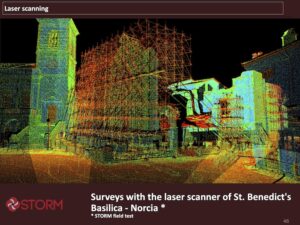
- Comprehensive pre-disaster documentation (3D scanning, material inventories)
- “Resilience premium” insurance discounts for sites with certified risk mitigation
- Build Back Better financial incentives
- Cultural heritage disaster funds at national and EU levels
2026 Status:
- Krasna Horka Case Study: €35 million reconstruction cost following 2012 fire, with completion in 2023
- Insurance Innovation: Specialized heritage insurance products now offer resilience discounts (10-25% premium reduction)
- EU Funding: Cultural Heritage Emergency Fund established under revised Civil Protection Mechanism
- Cost-Benefit Evidence: Pre-disaster mitigation yields 1:6 return on investment (€1 spent saves €6 in losses)
5. Innovation and Technology Deployment
2018 Discussion:
- Emerging technologies offer unprecedented monitoring capabilities
- AI and remote sensing enable early detection
- Water mist systems present heritage-friendly suppression alternative
Global Case Studies
Two case studies on Sendai Framework application to cultural heritage disaster risk reduction (DRR), can help understanding of the implications of the Sendai Protocol:
Case Study 1: Nepal (Post-2015 Gorkha Earthquake) – Traditional Knowledge for Resilience
- Application: Post-2015 earthquake (affecting Kathmandu Valley World Heritage sites), Sendai Priority 1 was operationalized through community-led DRR integrating indigenous knowledge—e.g., Andaman Islanders’ tsunami folklore analogs used for heritage site evacuation planning. UNESCO/ICOMOS efforts embedded cultural heritage impact assessments into Nepal’s National DRR Strategy, protecting temples and archives via risk mapping and recovery plans.
- Pros: Demonstrated Sendai’s call to “protect cultural heritage sites” (para 30d); traditional practices enhanced resilience, reducing losses in subsequent events.
- Gaps: Limited fire-risk focus; movable heritage (manuscripts) salvage protocols underdeveloped despite seismic-fire cascades.
Case Study 2: World Heritage Sites Global Assessment (Ongoing, Sendai Midterm Review)
- Application: A 2024 global study of 1,154 World Heritage sites applied Sendai monitoring targets (e.g., Target E: substantial damage reduction) via multi-hazard risk analysis, including fire-prone sites like Japan’s Kiyomizu-dera Temple (traditional fire-watch systems). National plans in Italy/Spain integrated heritage into DRR via Sendai-aligned management plans, tracking cultural losses and prioritizing fire-vulnerable masonry structures.
- Pros: Fills Sendai gap in “systematic evaluation of cultural heritage impacts” (Priority 1); tools like risk indices support EU-aligned strategies.
- Gaps: Fire-specific data (combustion by-products, suppression damage) sparse; calls for better integration of intangible heritage in recovery (Priority 4).
Recommendations
- Integration with EFFIS and national fire danger rating systems
- IoT sensor networks for continuous environmental monitoring
- Artificial intelligence for anomaly detection and predictive analytics
- Water mist system pilot programs in high-value heritage sites
2026 Status:
- AI Detection: AlertCalifornia-style camera networks deployed in Mediterranean heritage zones
- Water Mist Trials: Successful installations in Venice sites demonstrate effective fire suppression without water damage
- IoT Networks: Average cost per site reduced to €500 for basic monitoring package
- Digital Twin Technology: Major heritage sites now maintain dynamic 3D models for emergency simulation
2026 Sendai Mid-Term Review: Fire-Specific Progress and Gaps
In the fire-specific sector, EU 2025 DRR Progress Report Key Findings are:
- Fire as Top Threat: Fires constitute 25% of all heritage disaster incidents (2020-2025)
- Climate Amplification: Fire season extended by average 6 weeks across Mediterranean region
- Prevention Gap: Only 12% of heritage DRR.
| EFDRR 2018 Promise | 2026 Reality | FireRiskHeritage Action |
| EID for all stakeholders | Active but underused (10k users) | Integrate FRH cases into EID uploads |
| Community mapping | Faro pilots in 12 EU states | | Add “public spark risk” (e.g., Krasna children) |
| Innovation focus | IoT up 300%; AI detection (Alert CA) | Promotion of several innovative solutions (i.e. IoT-Based Smart Sensor Networks, Fire risk mapping and predictive modeling, Digital Twin Technology, Fiber Optic Distributed Temperature Sensing) |
| Economic evaluation | Post-2025 losses: €2B+ | Suggest RA cost-benefit in bylaws |
| Governance integration | Achieve 100% coverage by 2030; strengthen coordination mechanisms between heritage and civil protection at regional/local levels | Achieve 100% coverage by 2030; strengthen coordination mechanisms between heritage and civil protection at regional/local levels |
The use of the UNDRR logo is for informational purposes only and does not constitute endorsement by the United Nations or UNDRR of this website or its content.



Very good article, but real case of Sendai protocol applications would be appreciated
Thank you for your comment. We will provide an integration with relevant examples shortly.