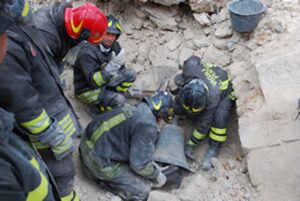
Fire at Odeon Building – George Town, Penang, Malaysia
On May 30, 2026, a devastating fire occurred at the historic Odeon Building on Jalan Penang in George Town, Penang. The incident took place within the sensitive context of a UNESCO World Heritage Site, adding a layer of complexity to the emergency response due to the building’s early 20th-century architectural heritage and structural vulnerabilities.
Tragically, the blaze resulted in the loss of life of a construction worker from Myanmar who was trapped during the incident. This outcome underscores a critical challenge often highlighted in risk engineering: the vulnerability of personnel working within aging structures where modern safety systems may be absent or under installation.

Port of Penang in 1910 - Image: University Library, Public domain, via Wikimedia Commons -https://upload.wikimedia.org/wikipedia/commons/7/76/KITLV_-_80020_-_Kleingrothe%2C_C.J._-_Medan_-_Quay_in_Penang_-_circa_1910.tif
The rapid response of emergency services, the incident resulted in the death of a construction worker from Myanmar, trapped within the structure. While no other injuries were reported, the building, a key piece of early 20th-century heritage, sustained substantial damage. At the time of the blaze, the building was undergoing renovation work, a factor that often introduces heightened risks to structural safety.
The fire is believed to have been causeby metal cutting work using oxy-acetylene equipment.
Heritage Vulnerabilities and Risk Factors
The Odeon Building is situated within the UNESCO World Heritage Site of George Town, an area characterized by high-density mixed commercial and residential use. This specific urban context creates a “perfect storm” of vulnerabilities:
- Structural Risks: The reliance on traditional construction materials (wood and masonry) and aging electrical infrastructure significantly increases fire susceptibility.
- Operational Constraints: Narrow streets in the heritage district often limit the access of emergency vehicles, potentially delaying critical intervention.
- Systemic Gaps: A widespread lack of modern fire suppression systems in these historic buildings makes them highly vulnerable to rapid fire spread.
Systemic Implications for Southeast Asian Heritage
This fatal fire exposes deeper, systemic vulnerabilities common in Southeast Asian urban centers:
- Vulnerability of Marginalized Populations: The death of a migrant worker highlights a disproportionate risk for vulnerable populations who often lack adequate escape routes, safety training, or linguistic access to emergency protocols.
- Unsafe Renovation Practices: The incident points toward the dangers of “temporary” measures during construction, such as makeshift electrical wiring and the absence of active fire suppression during renovation phases.
- Reactive vs. Proactive Policy: The fact that safety requirements were only strengthened after a fatality indicates a reactive policy environment where enforcement is insufficient until a tragedy occurs.
- The UNESCO Designation Gap: This event demonstrates that a UNESCO World Heritage designation (granted in 2008) provides prestige and conservation guidelines but does not inherently guarantee the implementation of life-saving fire safety infrastructure.
Conclusion: The Need for Organized Planning
From a risk management perspective, this incident is a warning. Without the transition from reactive to proactive safety enforcement, heritage buildings remain death traps for those within them. The gap between “heritage status” and “actual safety” must be closed through rigorous, performance-based planning to ensure that architectural preservation does not come at the cost of human life.