Vulnerabilities in Heritage Buildings
The fire that broke out on May 16 at the historic Hotel Huemul in San Carlos de Bariloche (Argentina) near Lake Nahuel Huapi, rapidly spread through the structure, causing severe structural loss. No fatalities were reported. Early accounts indicate that the fire may have started from an uncontrolled vegetation burn near the property; however, the cause remains under investigation.

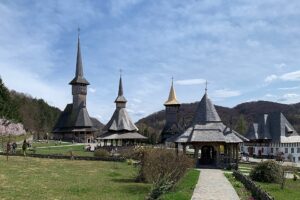
An older timber-structured hotel in a vegetated setting. Like any accommodation facility, it is exposed to fire risk; however, in wildland–urban interface contexts, external ignition sources must also be considered in risk assessment. Image generated with AI.
The Compounded Risk of Renovation
Crucially, the hotel was undergoing extensive months-long remodelling to celebrate an upcoming anniversary at the time of the incident. This creates a “double risk” scenario from a fire safety perspective. The building already has inherent heritage vulnerabilities but the renovation introduces new hazards.
During this phase, it’s common to encounter hot works, temporary combustible materials like plastic sheeting and timber scaffolding, the potential disabling of existing detection systems to prevent false alarms and new openings in fire-rated walls for modern electrical or plumbing upgrades.
When these internal vulnerabilities coincide with an external ignition source like a vegetation burn the probability of a catastrophic outcome of a fire increases significantly.
Technical Vulnerabilities
Beyond renovation risks, heritage buildings often possess inherent structural weaknesses. These include combustible roof systems and concealed voids that allow fire to spread undetected. When combined with aging building services and a lack of modern compartmentation, these factors significantly reduce the Available Safe Egress Time (ASET) for occupants and complicate tactical firefighting operations by increasing the risk of sudden structural failure.
The Wildland-Urban Interface (WUI) Factor
Although the fire in Bariloche did not originate from a wildland blaze, but more probably from an outdoor maintenance burn of dry leaves, this case nonetheless highlights the critical importance of considering the Wildland-Urban Interface (WUI).
In regions like Bariloche, buildings are not isolated entities but exist within a combustible ecosystem. Risk assessments for heritage hotels must extend beyond the building’s walls to include ‘defensible space.’
When vegetation is allowed to encroach upon timber structures, the building becomes an extension of the forest, making it vulnerable to external embers or uncontrolled burns
Professional Implications
For fire safety professionals, this case reinforces the importance of integrating compatible, minimally invasive protection strategies within heritage contexts—especially during periods of construction. Priorities include:
- Enhanced detection systems tailored for active work zones.
- Strict adherence to temporary compartmentation during remodeling.
- Tailored suppression solutions that respect architectural integrity.
Equally critical is the role of detailed post-fire forensic analysis to reconstruct fire development and identify failure points. Sharing such findings within the professional community remains essential to advancing knowledge and improving the resilience of historic buildings worldwide.